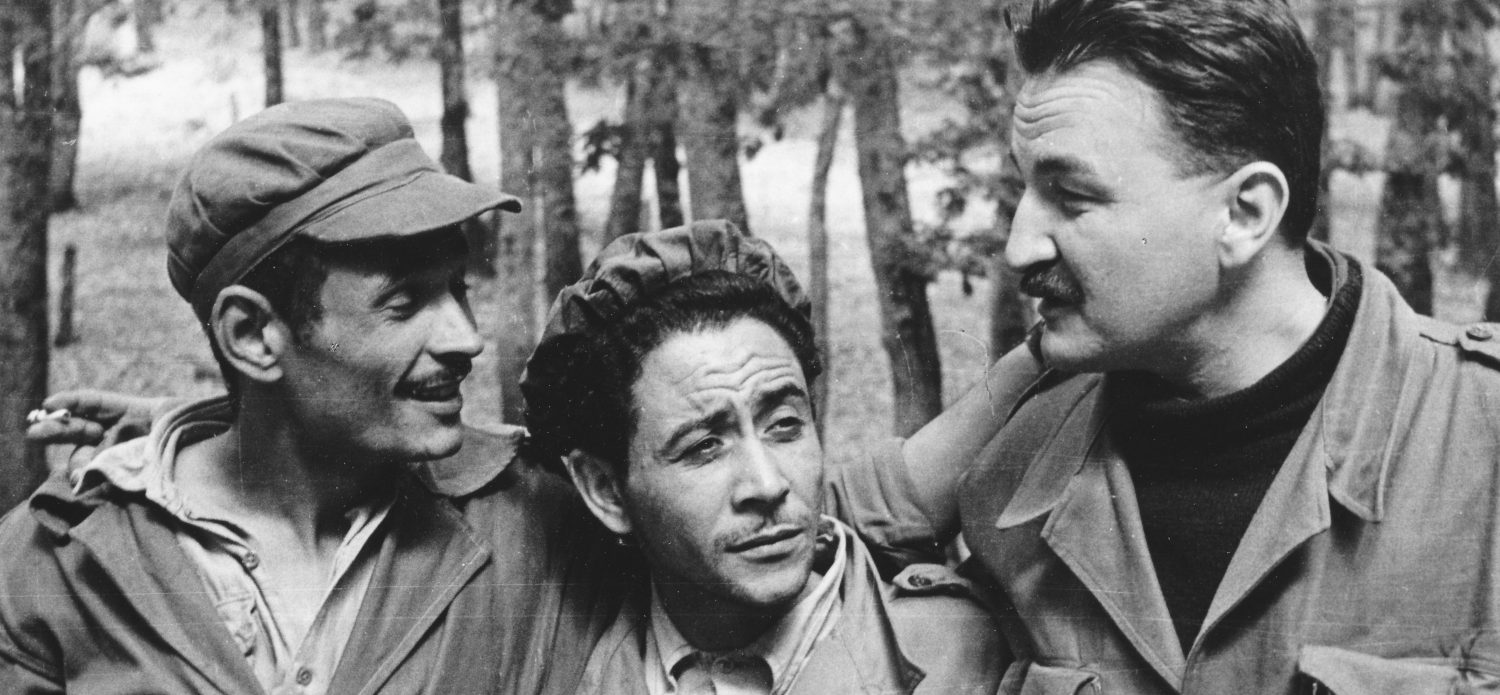
Jelena Đureinović presented a paper that outlined Yugoslavia’s involvement in the independence struggles of Angola, Mozambique, Guinea-Bissau, and Cape Verde. The presentation zoomed in on military medicine and medical assistance to the African Party for the Independence of Guinea and Cape Verde (PAIGC) during the liberation war, focusing on the case study of Solidarité Hospital in Boké.
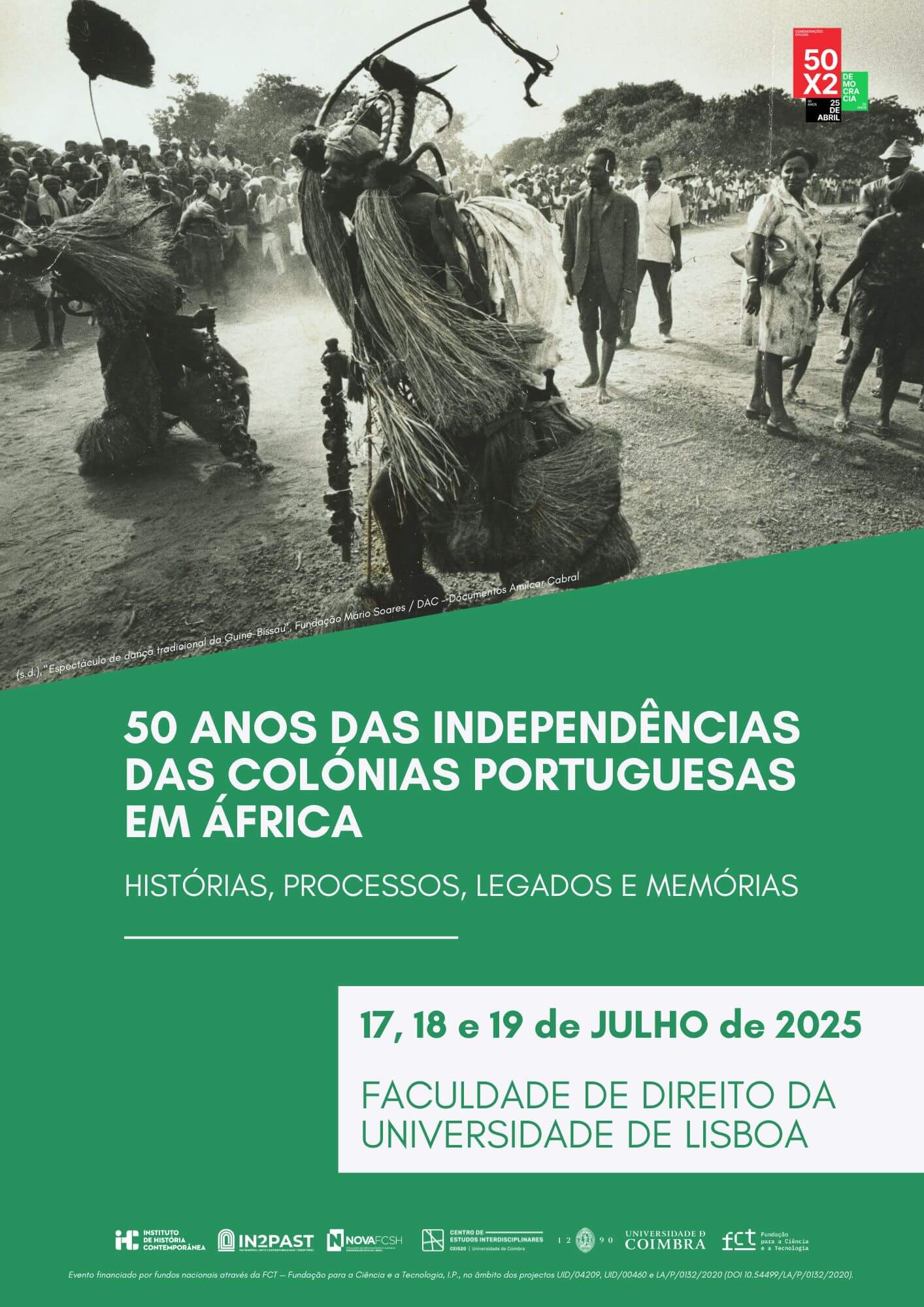
In 2025, four former Portuguese colonies in Africa (Angola, Cape Verde, Mozambique, São Tomé and Príncipe) will celebrate the 50 th anniversary of their independence, joining Guinea-Bissau which, two years earlier (in September 1973), had unilaterally proclaimed the state of Guinea, formally accessing independence on September 10, 1974. In fact, the complex negotiation processes that opened the door to independence of these territories that had been dominated by Portugal for centuries were not straightforward. Thus, from the Unilateral Declaration of Independence of Guinea (an important precedent at international level) to the opening of negotiation processes in the cases of Angola, Cape Verde, Mozambique and São Tomé and Príncipe complex and important geopolitical and transnational webs were established, in the African and global context of the Cold War and the aftermath of the Sino-Soviet split, which are worth analysing.
The aim of this International Conference is to mark the 50 th anniversary of these transcendental events for the lives of African territories once colonized by Portugal, some of whom (Guinea-Bissau, Angola and Mozambique) endured devastating liberation wars/colonial wars. These struggles for emancipation are part of a long history of resistance by the peoples subjected to imperial exploitation, forced labour, racism and colonialism. As it is well known, the processes that led to independence generated multiple dynamics and ramifications which, on the one hand, went beyond the main borders of each territory; on the other, produced internal and external interactions, with various elements and constraints, combining the international context of the time with internal demands for political sovereignty by the colonized peoples.
In this sense, independence should not be interpreted as an isolated historical event, nor as a linear and homogeneous event. There is a specific historicity that characterizes independence processes in each of the territories, processes that are marked by several and diverse complexities. So much so that we cannot separate independence from the struggles of the liberation movements, anti-colonialism, the revolutions in the Third World, anti-imperialism and the struggle against dictatorship and fascism in Portugal. In short, independence resulted from various struggles carried out by the liberation movements on different fronts. Their actions also contributed to the Revolution of April 25, 1974, and, consequently, to the fall of the fascist dictatorship in Portugal.
 Globalising the Yugoslav Revolution in the Postcolonial World